
CampSEE Reflections

From our Design Intern, Halima Yassin
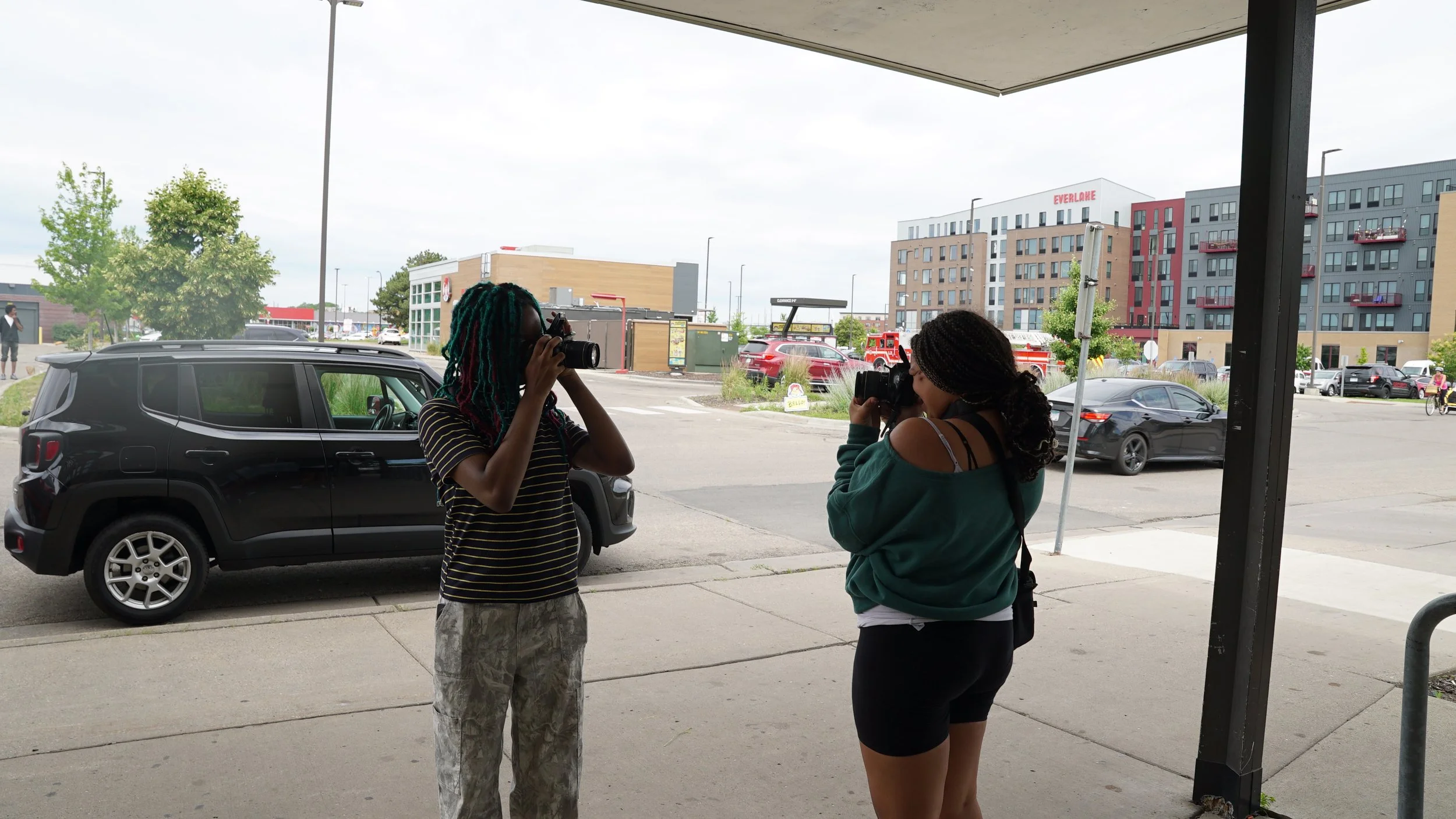
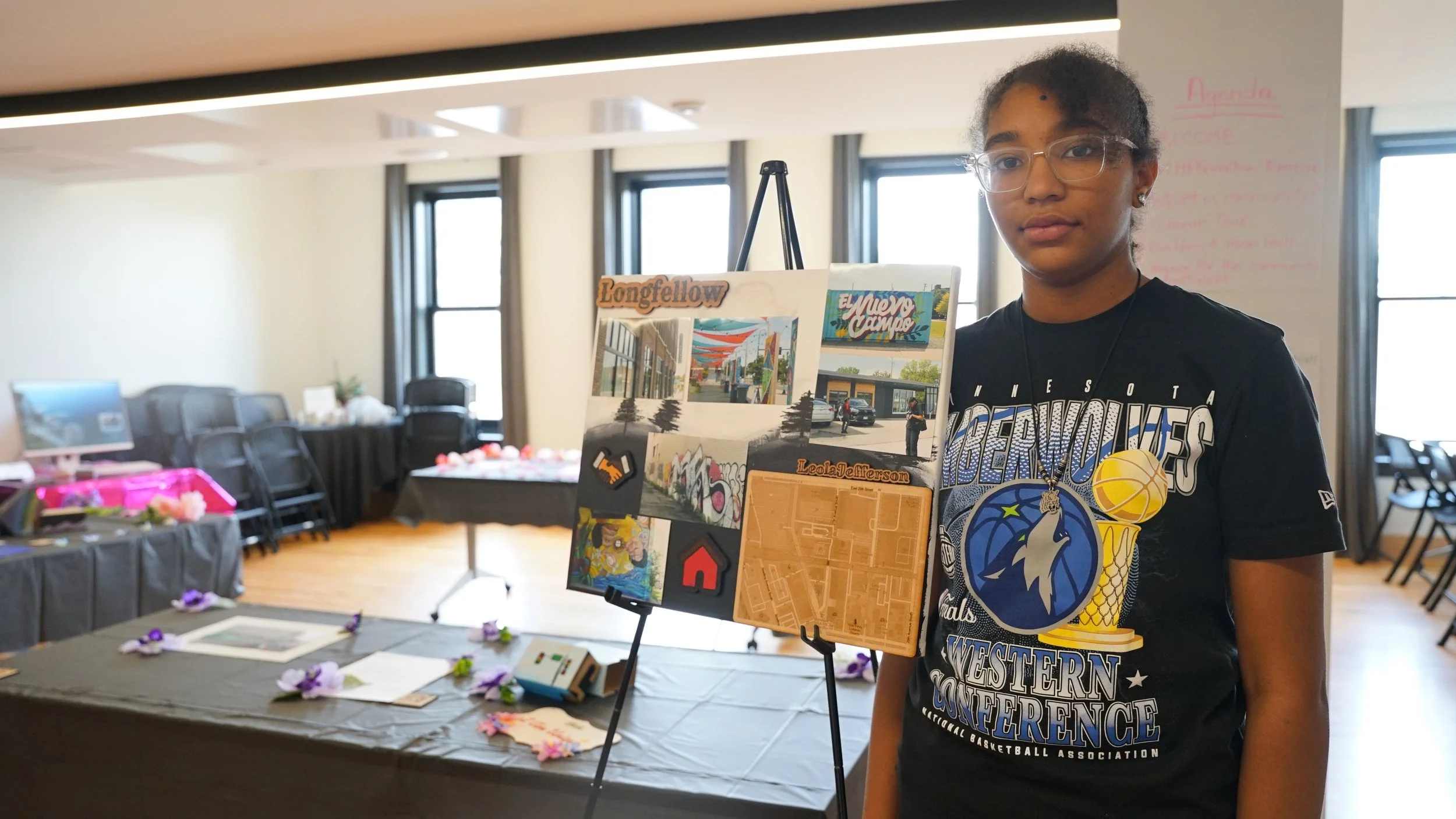
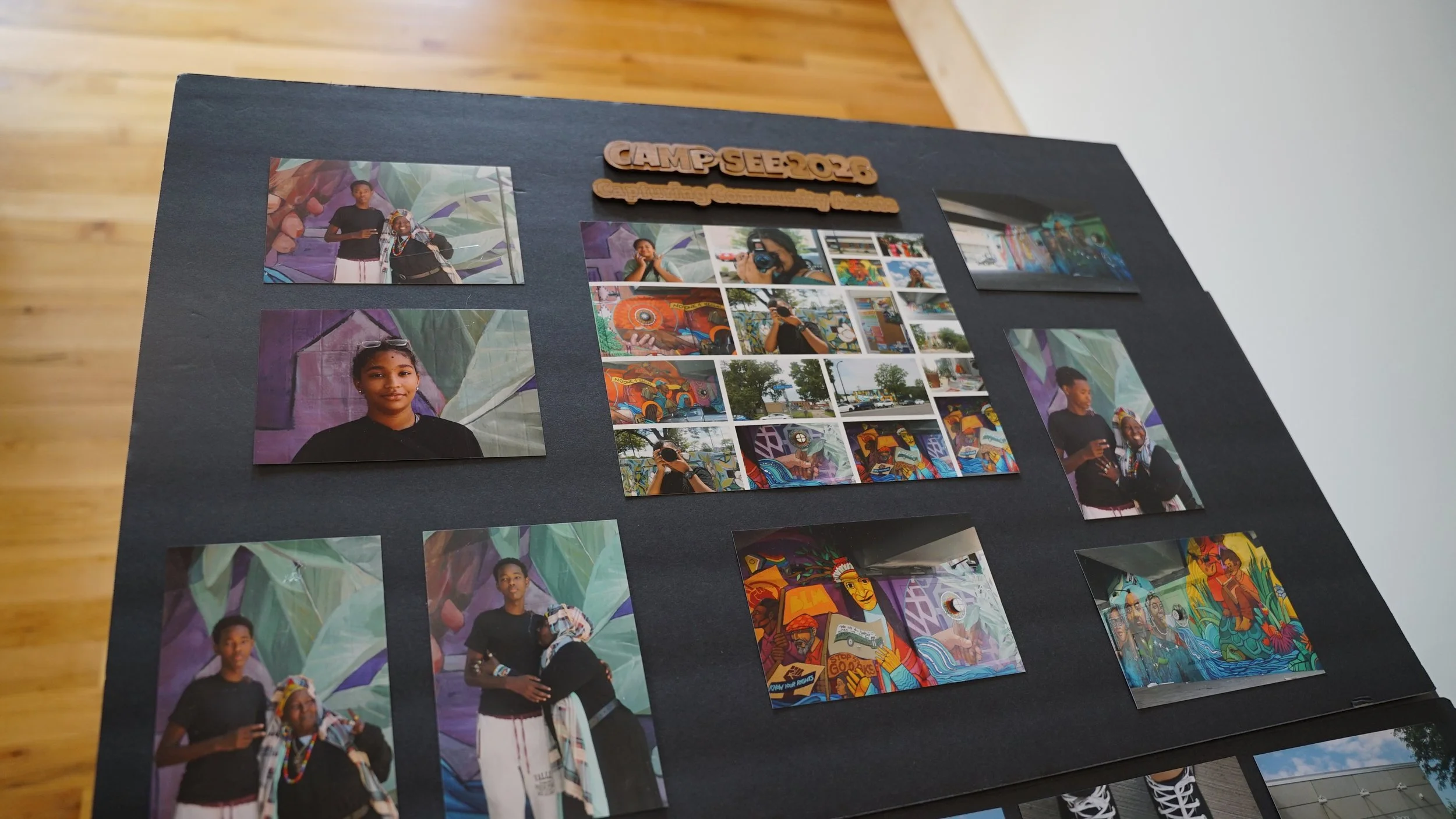
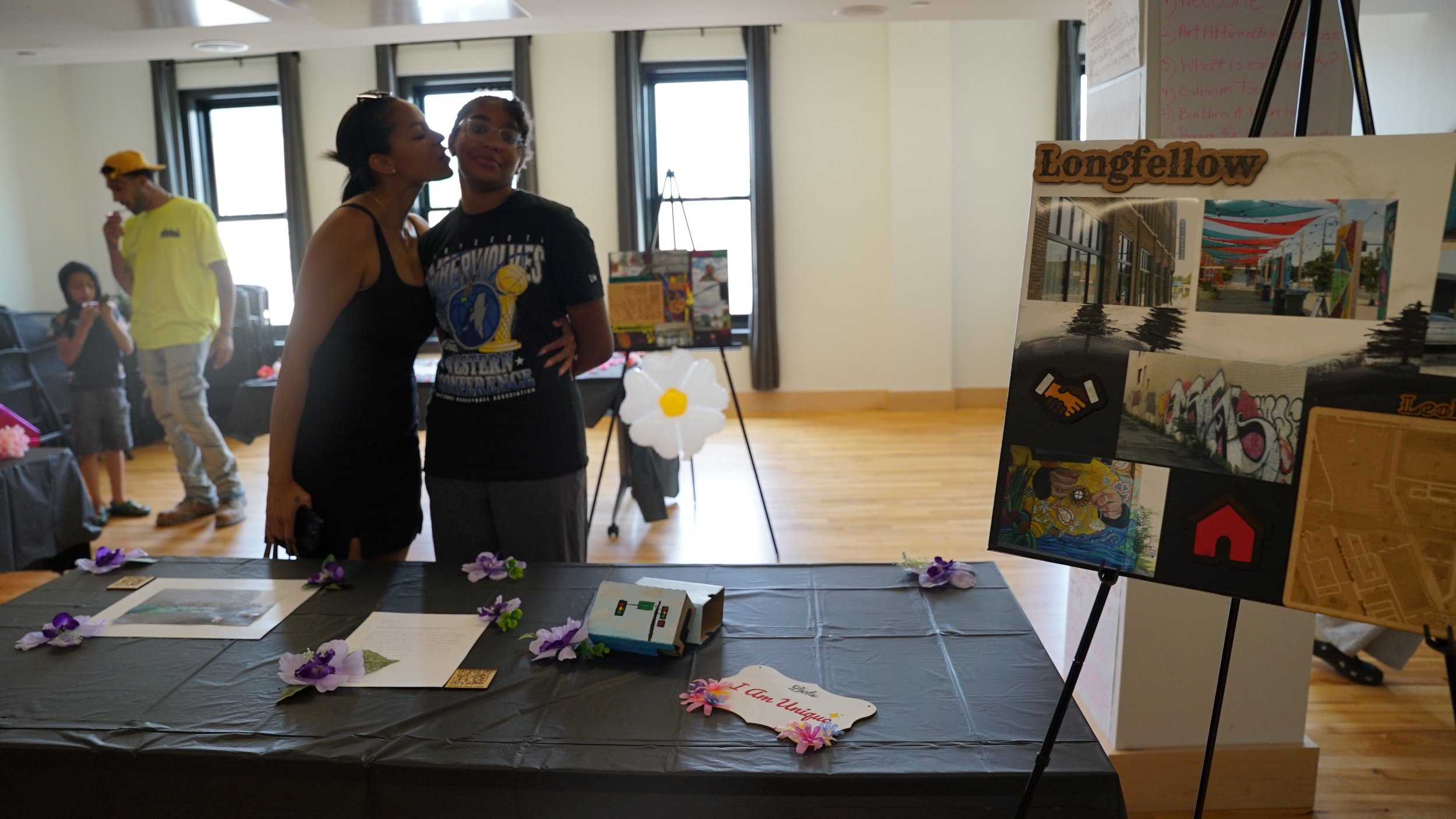
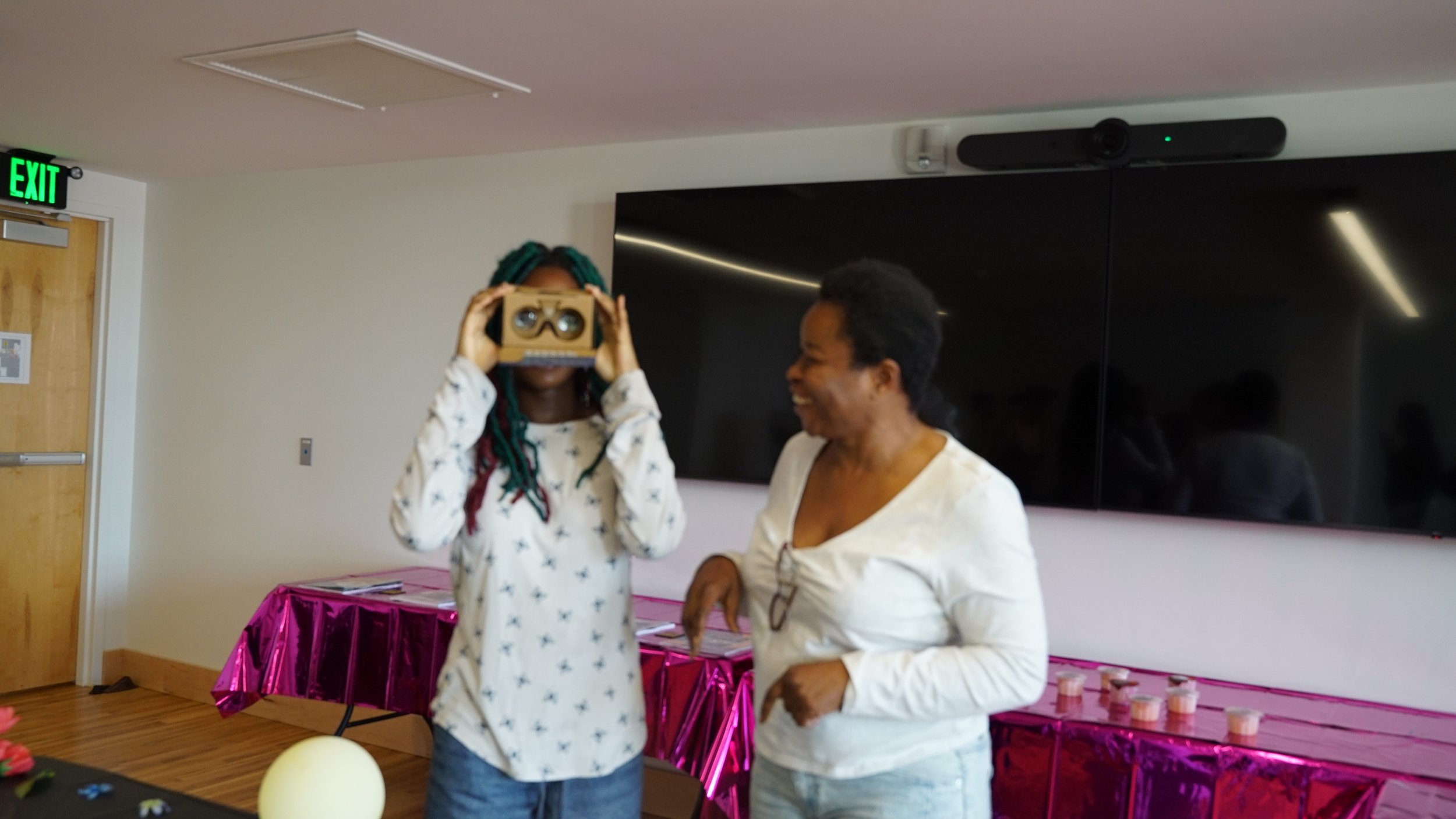
As I reflect on a week of paying it forward, I can‘t help but be grateful to be in a position as a design intern of sharing and learning. Two weeks leading up to the camp start date, I was able to collaborate with Clarisa James, Co-Founder and Executive Director at DIVAS for Social Justice, a powerhouse of a woman! As we tailored this year’s curriculum for our scholars, we created a five-day summer camp for the ages 9 and 14. The curriculum centers on a core objective: enabling scholars to perceive community wellness as a social justice priority for people of color, while employing spatial mapping for healing, advocacy, and preventative action.
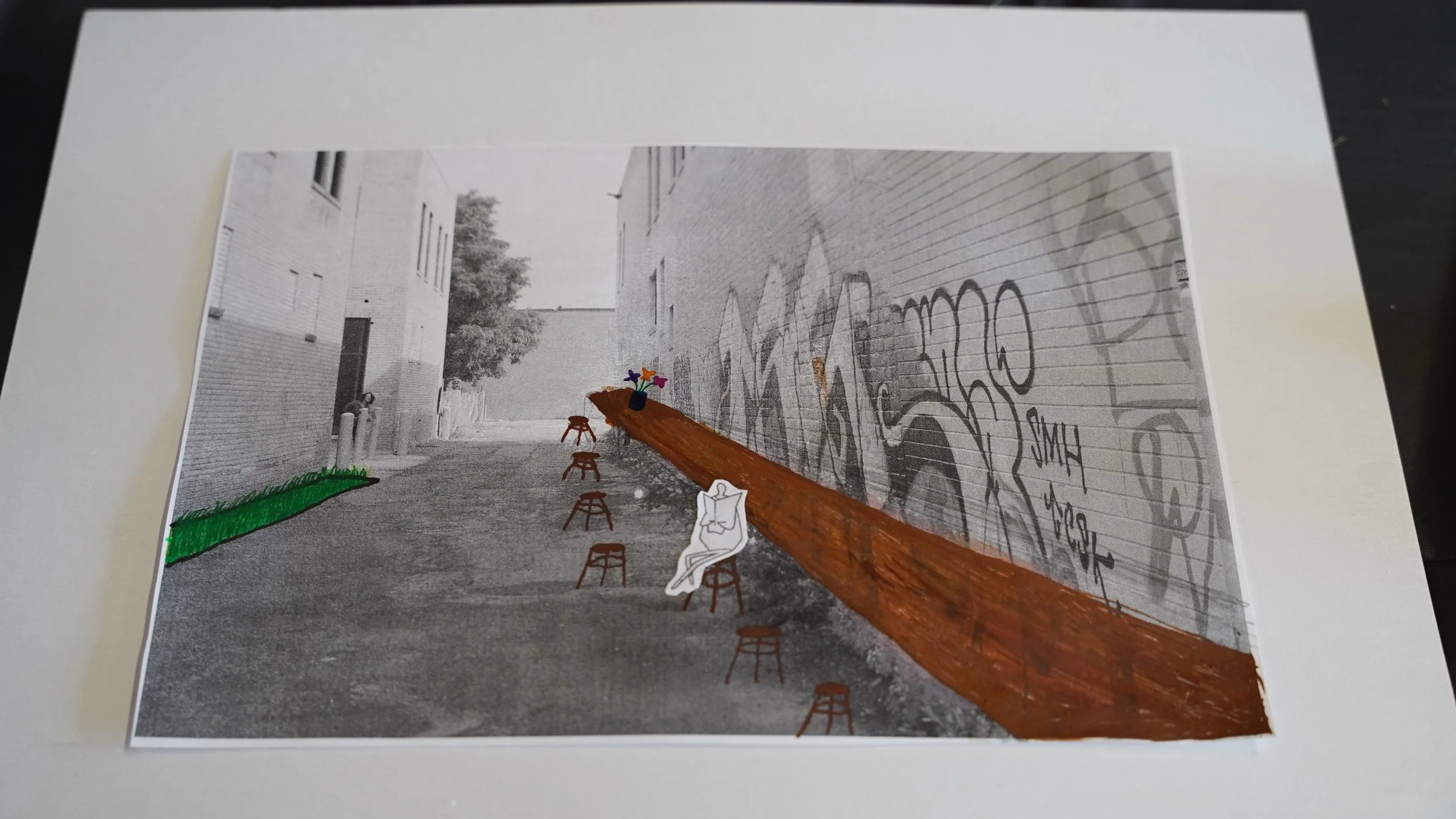
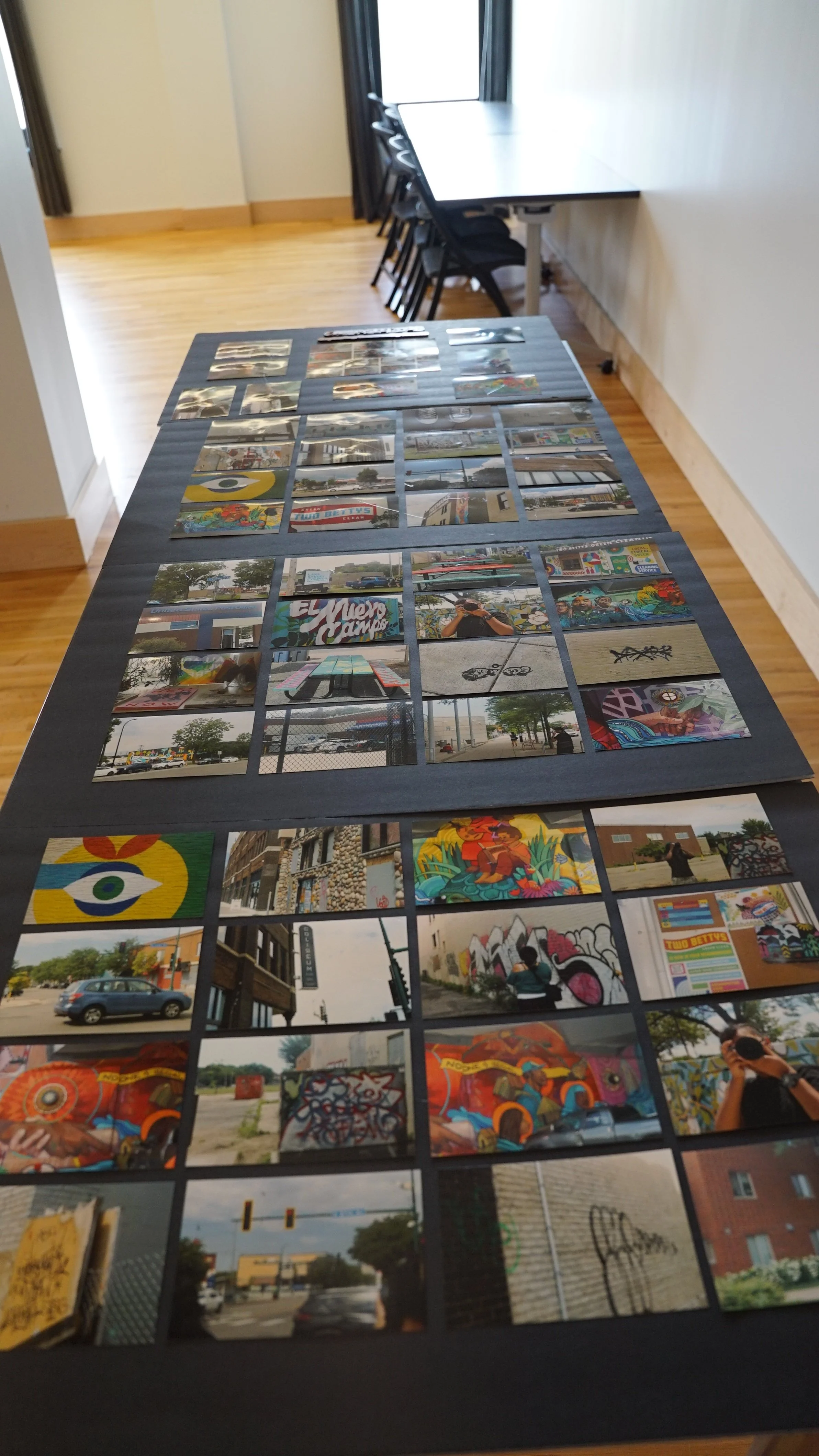
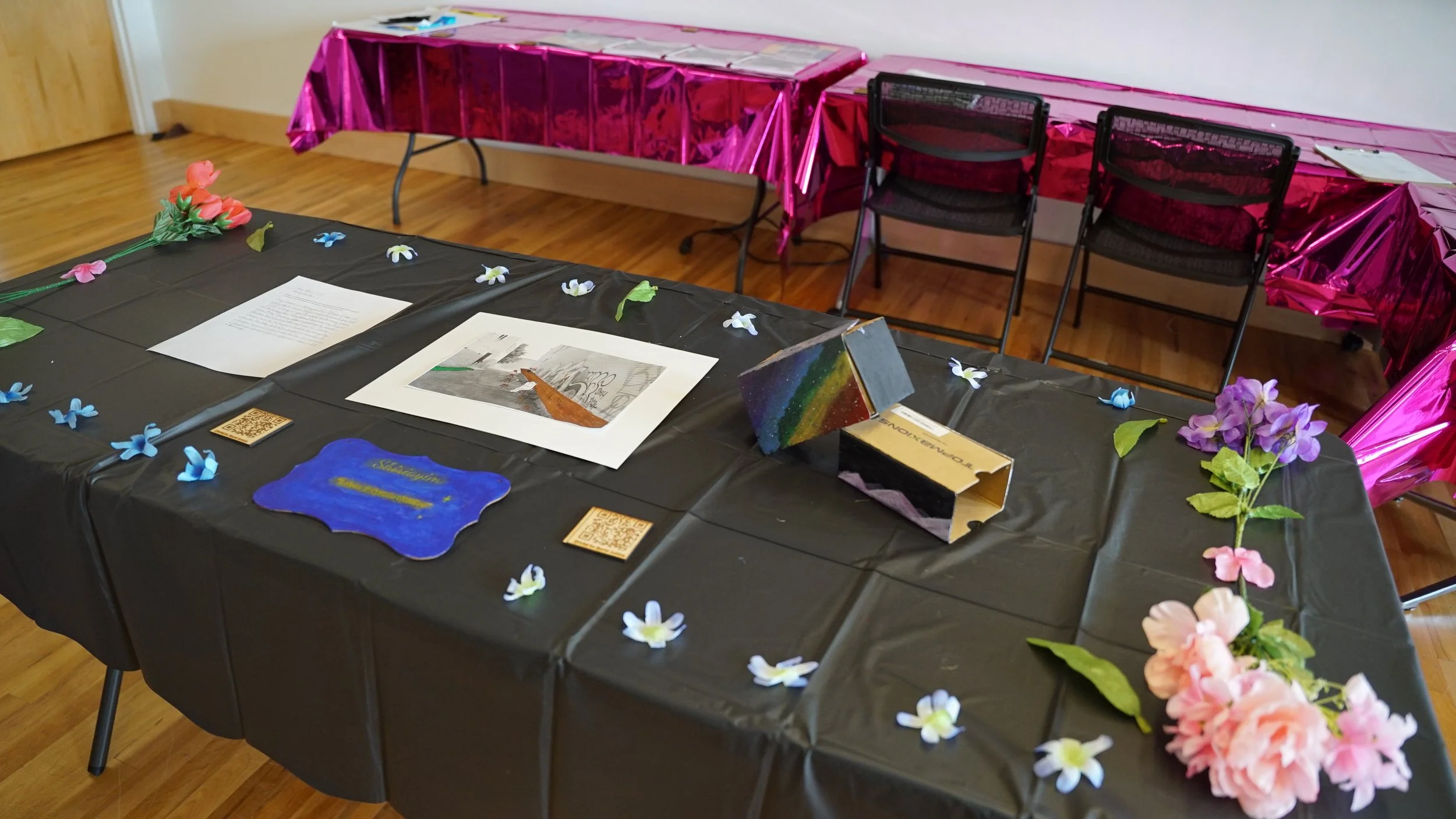
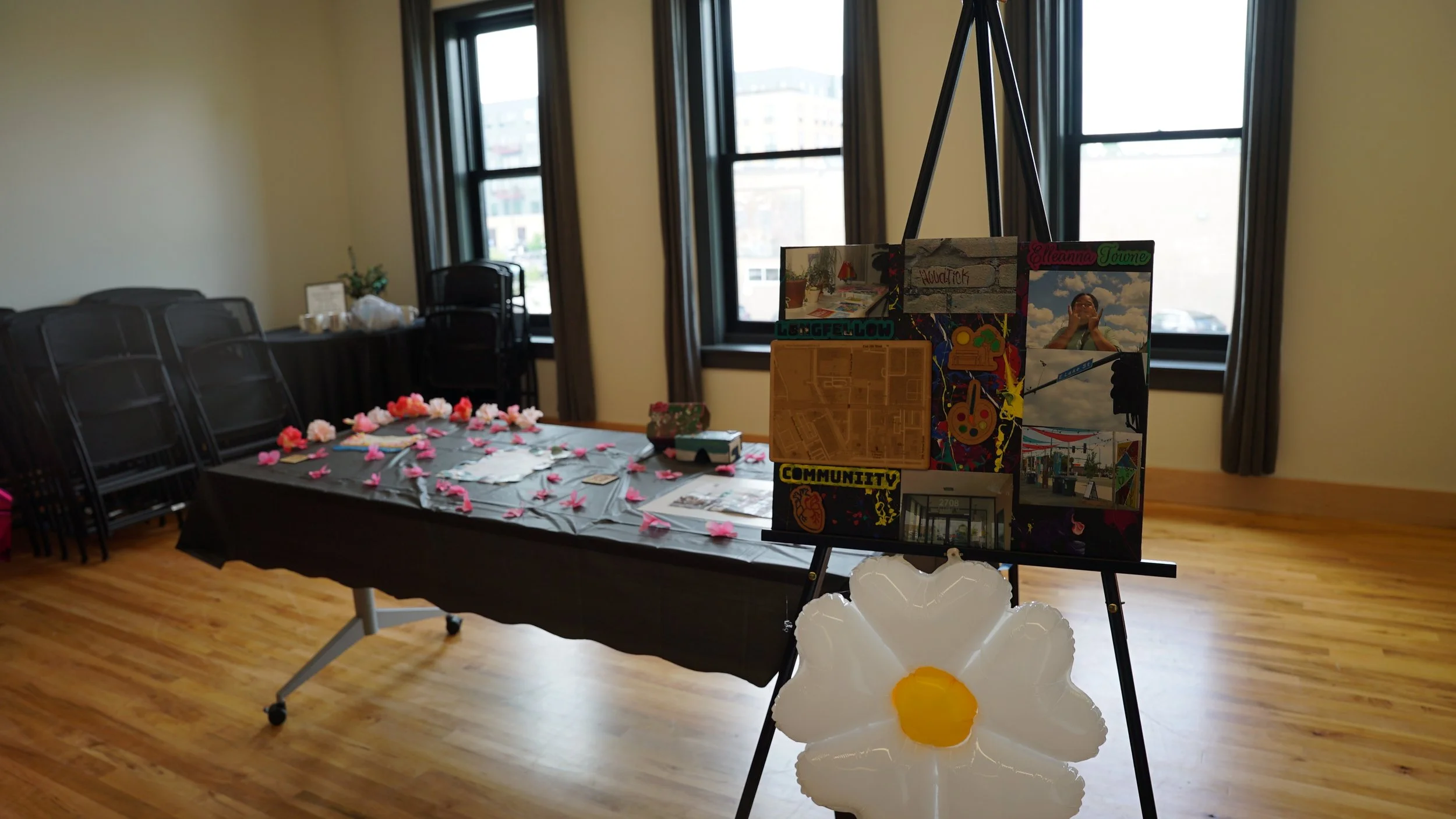
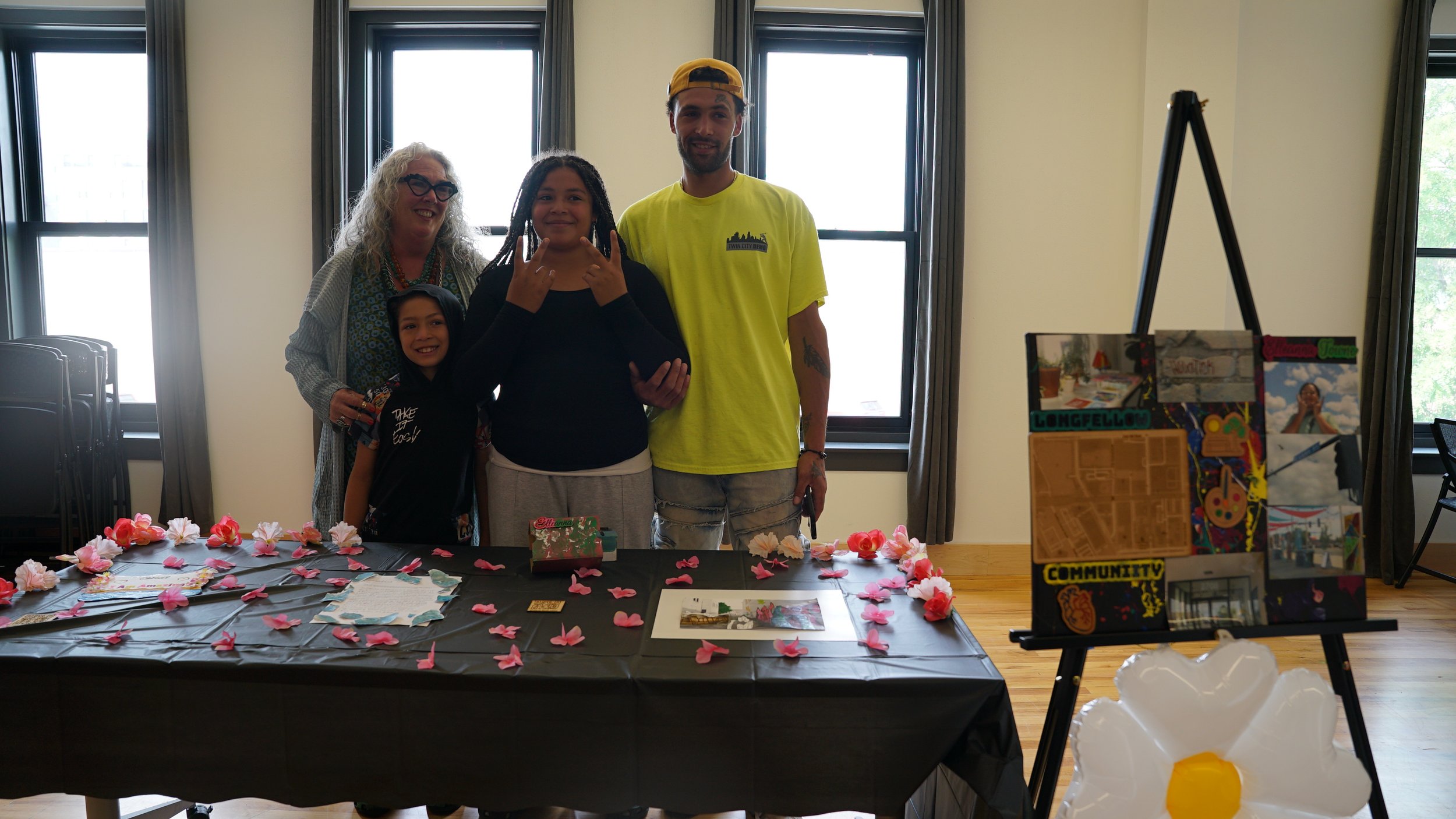
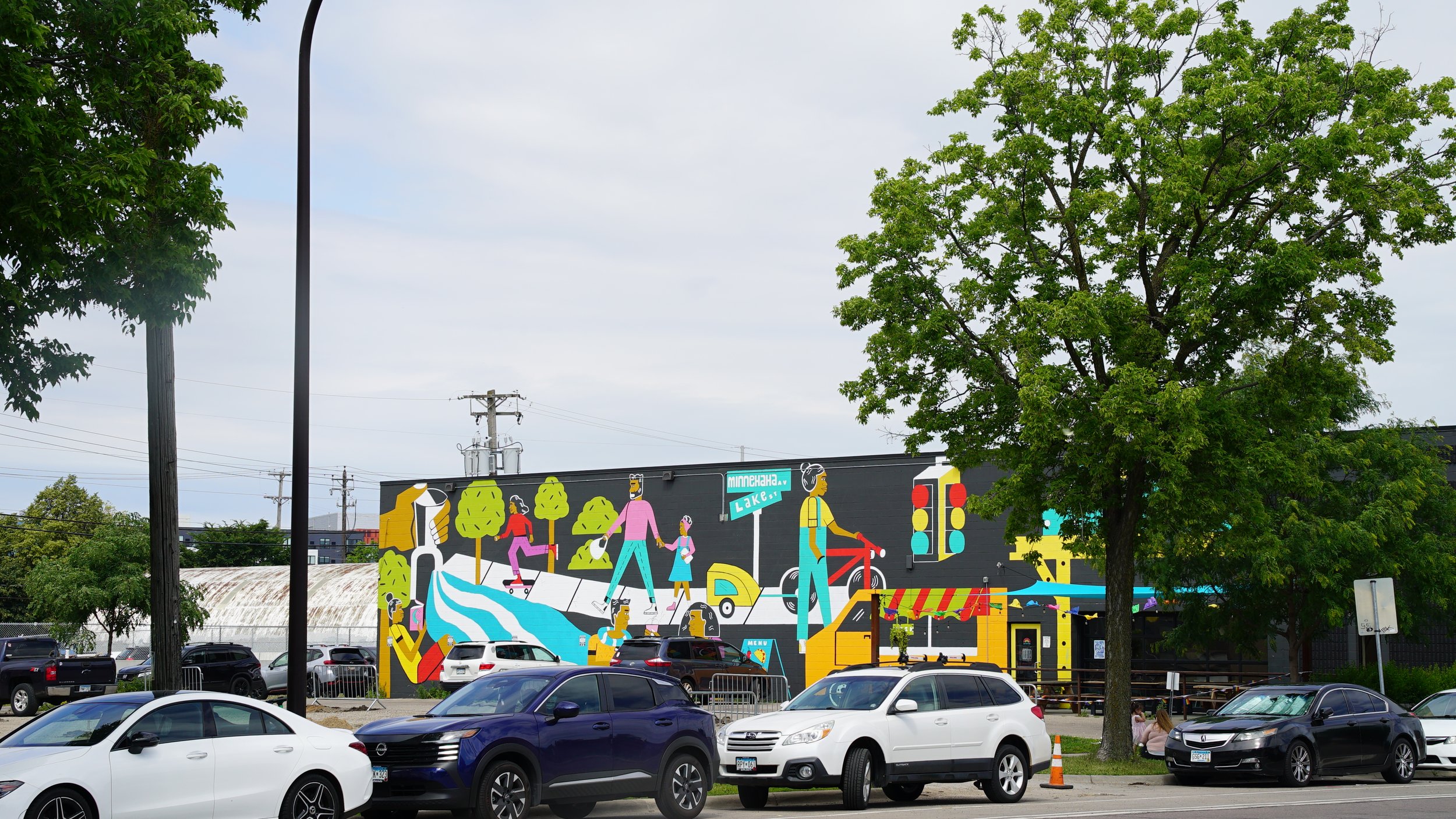
The week was an intensive one that tested my adaptability, patience, and creativity. The journey from a well-structured lesson plan to its real-world application proved to be both the most challenging and the most educational aspect of the camp for me. I facilitated daily workshops to help scholars identify community assets and stressors. We then translated these abstract concepts into tangible, mapped representations. This experience was fundamentally a lesson in the art of co-creation. While Clarisa and I had a clear vision, the true curriculum emerged from the scholars themselves. Their personal narratives about their neighborhoods, their candid discussions about safety and wellness, and their creative choices in representing their findings taught me that the most powerful learning happens when the facilitator becomes a listener.
I learned that the concept of spatial mapping is more than a technical skill; it is a profound tool for empowerment. Watching these scholars explain how a community garden on a map represents a place for breathing and resting was very special; they learned that their perspectives on their own environment are valuable data, worthy of analysis and presentation. This reframing of their reality as a source of knowledge was the most significant takeaway for me.
A second significant challenge was managing the emotional weight of the subject matter. Our discussions about community wellness naturally brought up issues of violence, lack of resources, and environmental neglect. Some scholars shared personal stories that were heavy with frustration and sadness. I felt a tension between the need to keep the camp on schedule and the need to hold space for these emotional revelations. I had to learn quickly how to validate their feelings, de-escalate any anxiety in the room, and pivot the conversation toward the constructive goal of advocacy, turning pain into a plan for change. This was emotionally draining and required a level of emotional intelligence I hadn't fully anticipated. Some strategies included establishing clear community agreements about respect and confidentiality and introducing feelings check-ins throughout the day. We also had a toolkit of grounding exercises and collaborative activities to use when conversations become heavy, ensuring we pivot from problem to solution without dismissing the scholars' feelings. Finally, we had outside youth mental health professional and social worker resources available in the planning phase for best practices on facilitating these tough conversations.
In conclusion, Camp S.E.E. was as much a learning experience for me as it was for the scholars. The challenges were real, and the profound moments of connection and insight far outweighed any logistical or pedagogical hurdle. I am walking away with a sharper skill set, a deeper appreciation for the emotional labor of teaching. I am deeply grateful for the opportunity and look forward to applying these lessons in future iterations of this vital work.