
Environmental Stewardship
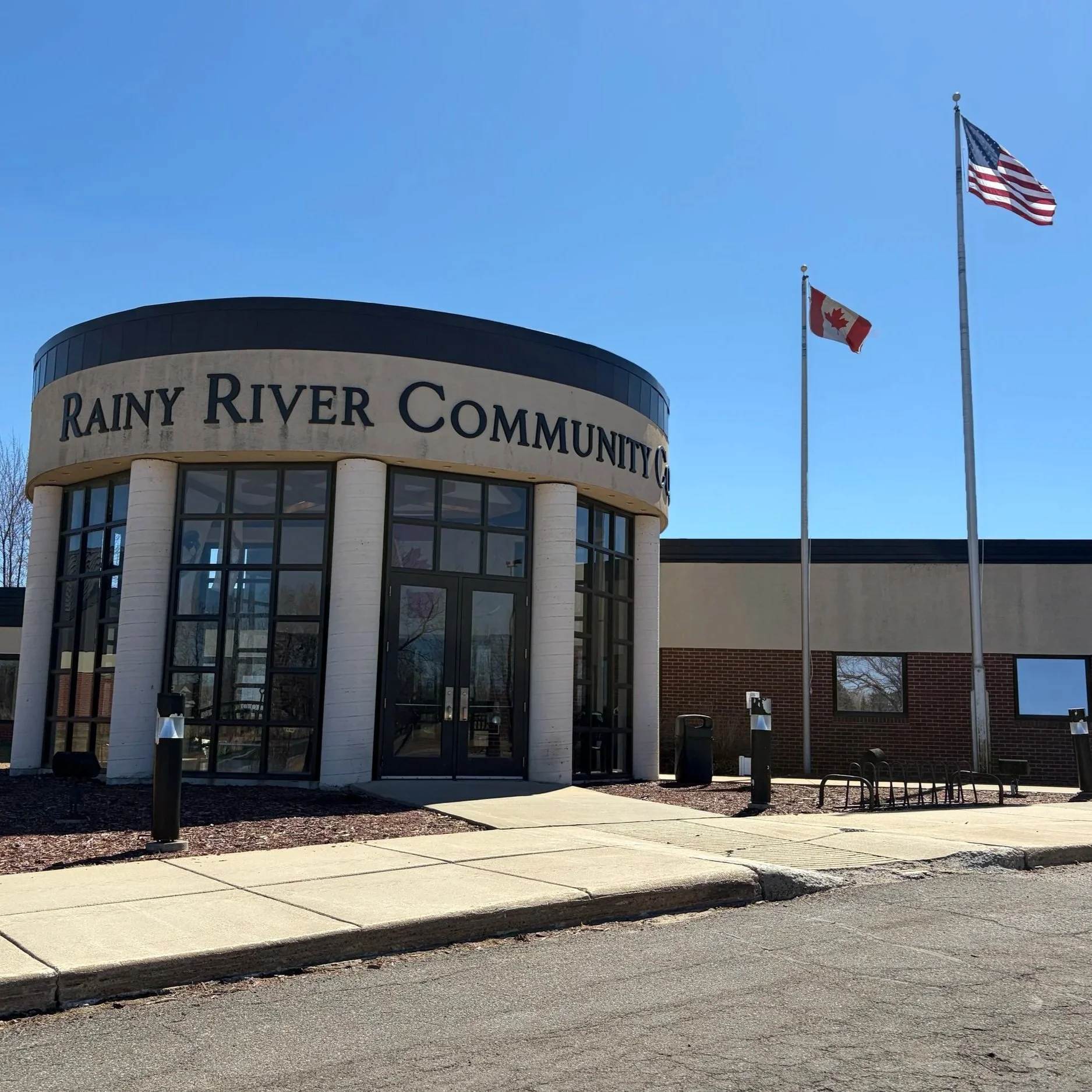
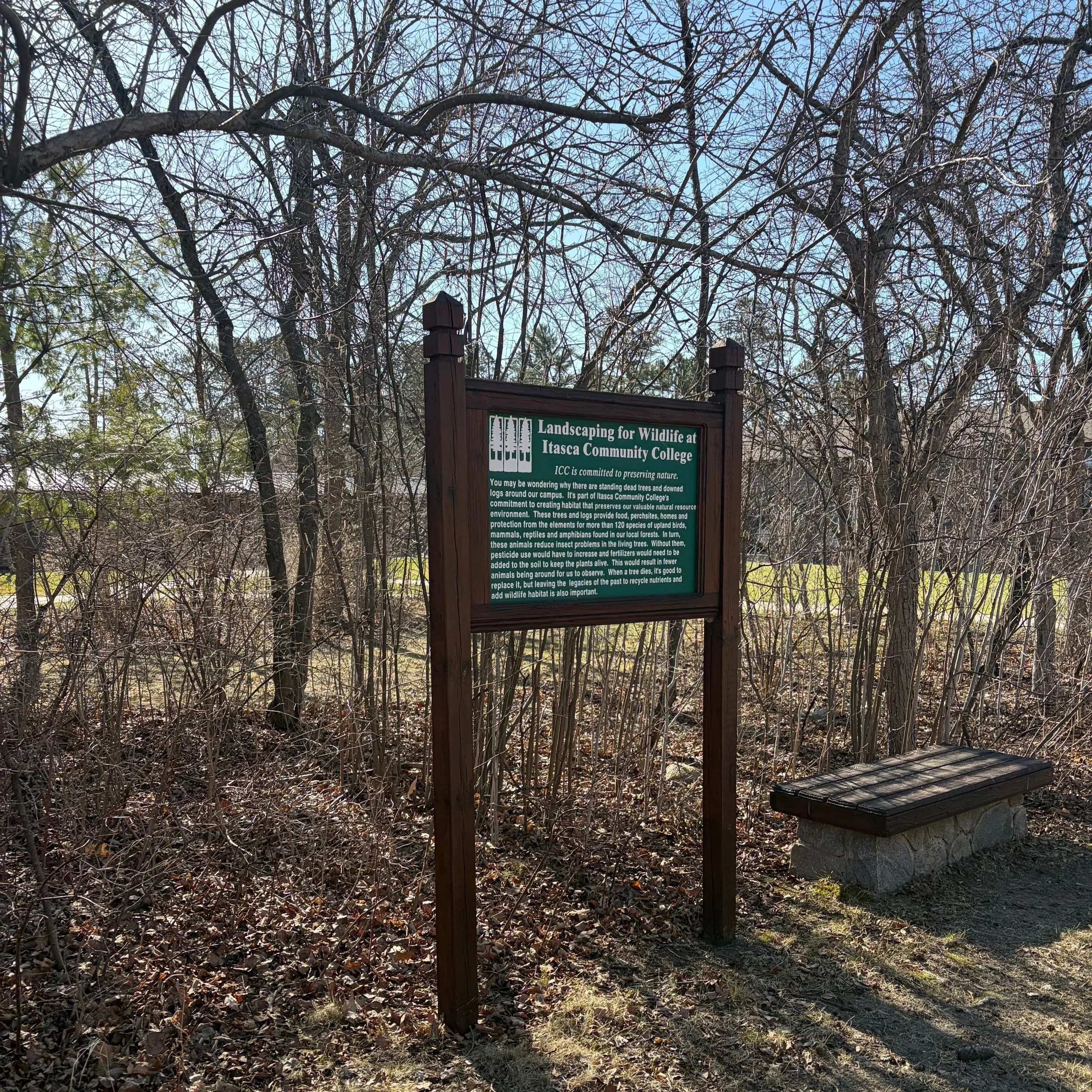
It’s not often that our work takes us up to the Canadian border, but we had the chance to recently explore northern Minnesota. Although the calendar says Spring, lakes were still covered in thin ice and morning temperatures were in the teens. I’ve lived in Minnesota for more than 30 years and have spent most of my time in the Twin Cities, but it was my first time to this part of the state.
As part of the Minnesota State Civil Rights team, we traveled over 1,000 miles to do facility reviews for the six campuses that are a part of Minnesota North College. One of our core values as a practice is to create places of belonging by making spaces accessible to ensure equity in the built environment. Minnesota State, a major provider of higher education, shares this philosophy by evaluating their 33 institutions that cover 54 locations across the state and serve approximately 270,000 students annually.
This compliance program is perceived and projected as an opportunity to put students first and to improve the learning environment through activities that allows the system to:
Examine the status of existing conditions;
Identify problems that exist;
Plan for correction and/or improvement;
Implement plans for change; and
Change for the improvement of programs and services.
With many programs that advance the value of belonging being challenged, the purpose of the on-site review visit is part of an effort to continuously improve the learning environment and to ensure compliance with the federal civil rights authorities. Our work is grounded by the Title VI of the Civil Rights Act of 1964 (race, color, national origin), Title IX of the Education Amendments of 1972 (sex), Section 504 of the Rehabilitation Act of 1973 (disability); and Americans with Disabilities Act of 1990 (access).
Environmental stewardship typically focuses on restoration and preservation of Earth’s precious resources as well as reduction of waste. It is a shared responsibility to ensure that we leave things better than we find them for future generations. This also encompasses a commitment to correct physical and systemic barriers in the built environment that have excluded and inhibited access within public spaces, such as where individuals learn. We like to think of it as re-imagining spaces so that all can have access to essentials like classrooms, conferencing and restrooms, but also enhanced opportunities like family rooms, adaptive athletic spaces and accessible dorms. Removing visible and invisible barriers to create an experience of belonging is a responsibility that we can all steward.