
Keeping A Place in History
"No man can know where he is going unless he knows exactly where he has been and exactly how he arrived at his present place." — Maya Angelou
Today we find ourselves at a moment in time where segments of American history are literally being erased from existence. From critical exhibits at National Parks, to historical sites and national museums, this erasure of important historical narratives is largely impacting the stories of the many marginalized communities that have fought long and hard to have their voices included in the story of our nation.
As we reflect on how to celebrate Black History Month in this climate, we are turning our focus to the little-known histories from our own backyard here in Longfellow, Minneapolis, where the Historic Coliseum Building is located.
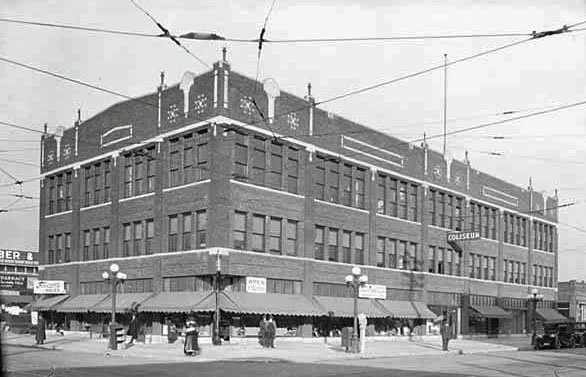
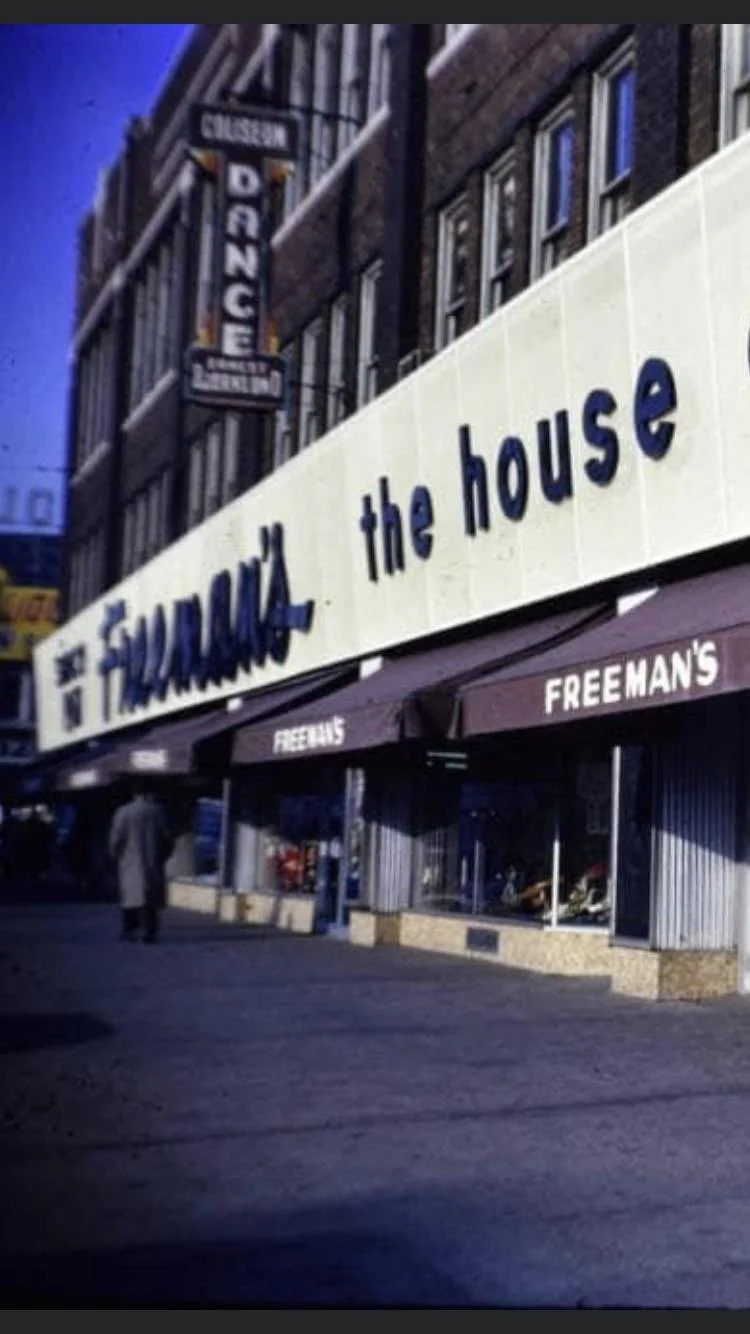
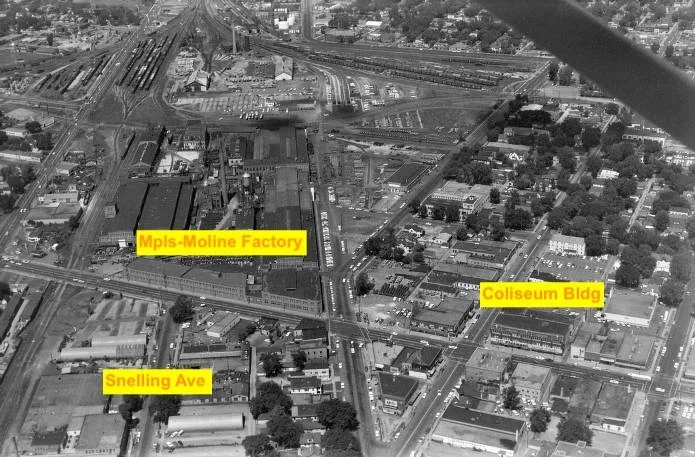
The Coliseum originally opened in 1917 with Freeman’s Haberdashery Store on the first floor. By 1920 it expanded to a full-scale department store, taking up three floors of the building to make it the city’s largest department store outside of downtown Minneapolis. The East Lake Longfellow area was becoming a vibrant business hub because of intersecting streetcar lines. Restaurants, shops and small businesses thrived. Arriving immigrants found affordable housing in the nearby craftsman homes and reliable work making tractors and engines at the Minneapolis-Moline factory at Lake Street and Minnehaha Ave.
Freeman’s survived the Depression era because it was providing good quality products at good prices to the local community. It also endured because it was the first department store in the state to offer credit to Black people to shop there, which had become popular with the expanding Black community just blocks away from the building.
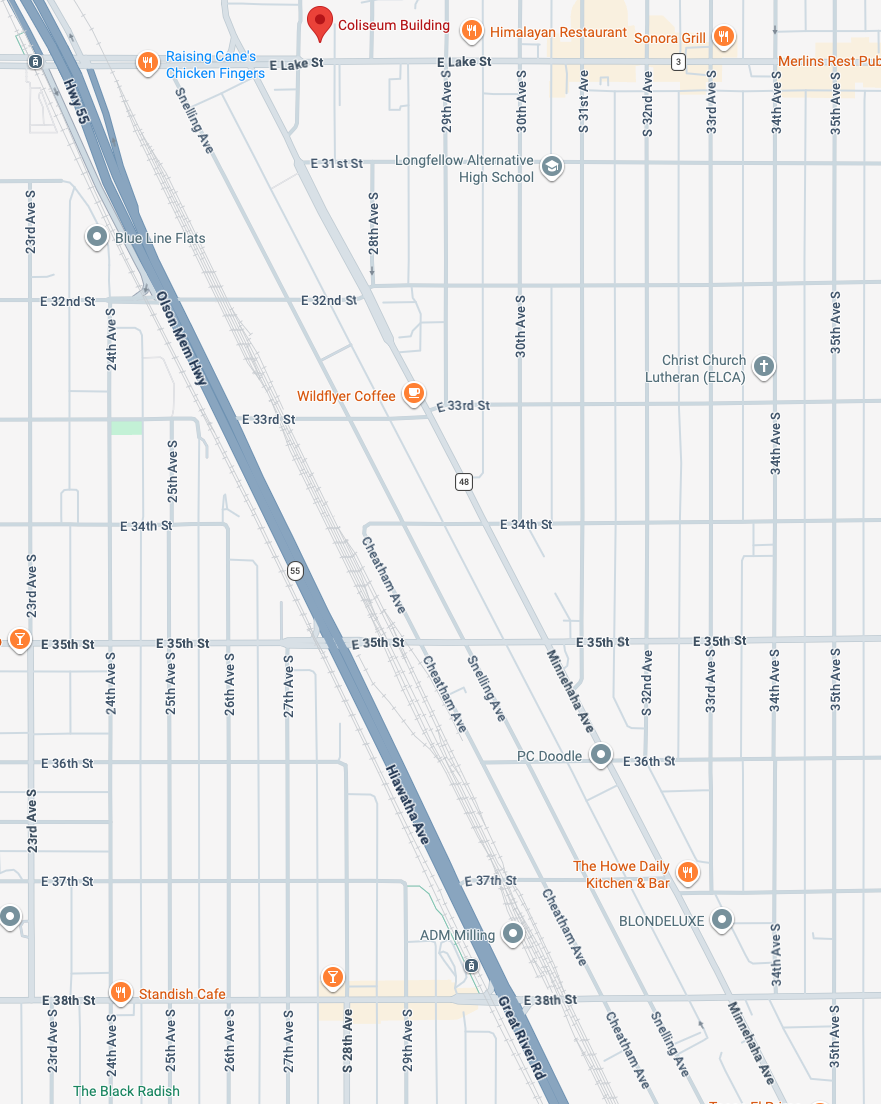
In the early 1910’s, restrictive housing covenants were being applied to neighborhoods all over Minneapolis, even though the city wasn’t particularly segregated at the time. This discriminatory practice forbade Black families from owning property in many parts of the city and cut off opportunities to build generational wealth. However, not far from the Coliseum building, along a narrow strip of land that was zoned for both mixed housing and industrial use (the nearby Snelling Avenue - just southwest of the Coliseum, running parallel to Minnehaha Avenue), a larger number of Black families were able to establish home ownership due to the lack of the restrictive covenants between Hiawatha and Minnehaha Avenues. Black communities started to take root.
The area was significant because it provided work opportunities for this growing Black population. Since there were limits to the kind of employment available to most Black people at the time, living near the rail corridor (that literally ran through their backyards on Snelling Ave), they had access to a variety of better-paying jobs in the rail yards, and on the trains as coachmen, porters, cooks and waiters. They lived, worked and spent their money in the Longfellow community.
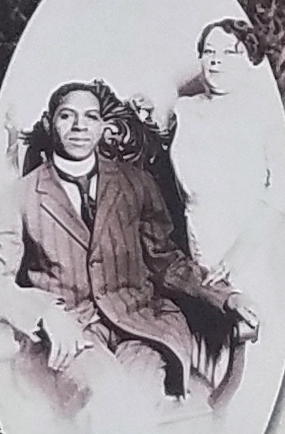
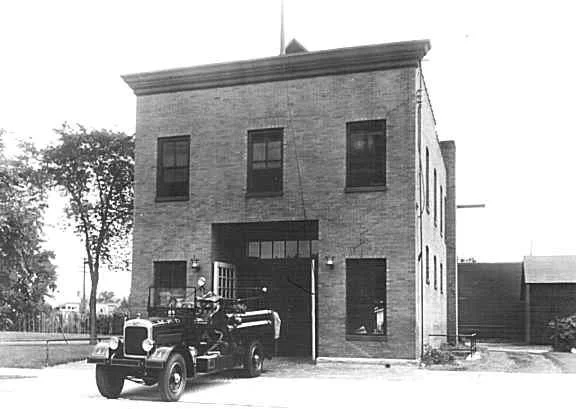
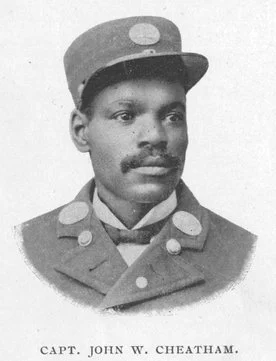
It was also this redlined neighborhood where Black history was made in the Minneapolis Fire Department (MFD). John Cheatham, was born into slavery in 1855 Missouri and his family was freed by the Emancipation Proclamation in 1862. By the next year, his family moved to Minnesota and were among some of the first Black families to reside in Minneapolis. Mr. Cheatham was appointed as one of the first Black firefighters of the MFD in 1888 and became captain in 1899. By 1907 he was assigned to be in charge of Station 24 along with four other Black firefighters (Lafayette Mason, Frank Harris, James R. Cannon and Archie Van Spence). Despite the expected resistance from some white residents and a fire chief intent on segregation, Cheatham prevailed with support from other residents and the City Council and worked at the station until retirement in 1918. The station remained racially integrated until it was finally closed in 1941. For the following 30 years there were no Blacks in the MFD until it was judge-mandated in 1972. Mr. Cheatham’s legacy was finally honored in the Longfellow neighborhood in 2022, when the previously named Dight Avenue was renamed Cheatham Avenue - which parallels Snelling Avenue along the very same rail yards and neighborhoods he served. The decommissioned fire station even still stands to this day as a private business. (For additional resources, please see the following videos about Station 24 here and here.)
These, and so many others, are the stories that are critical to preserve for all of us. They help us know where we’ve been as a nation and community, and in today’s state of erasure, just how much farther we need to go.